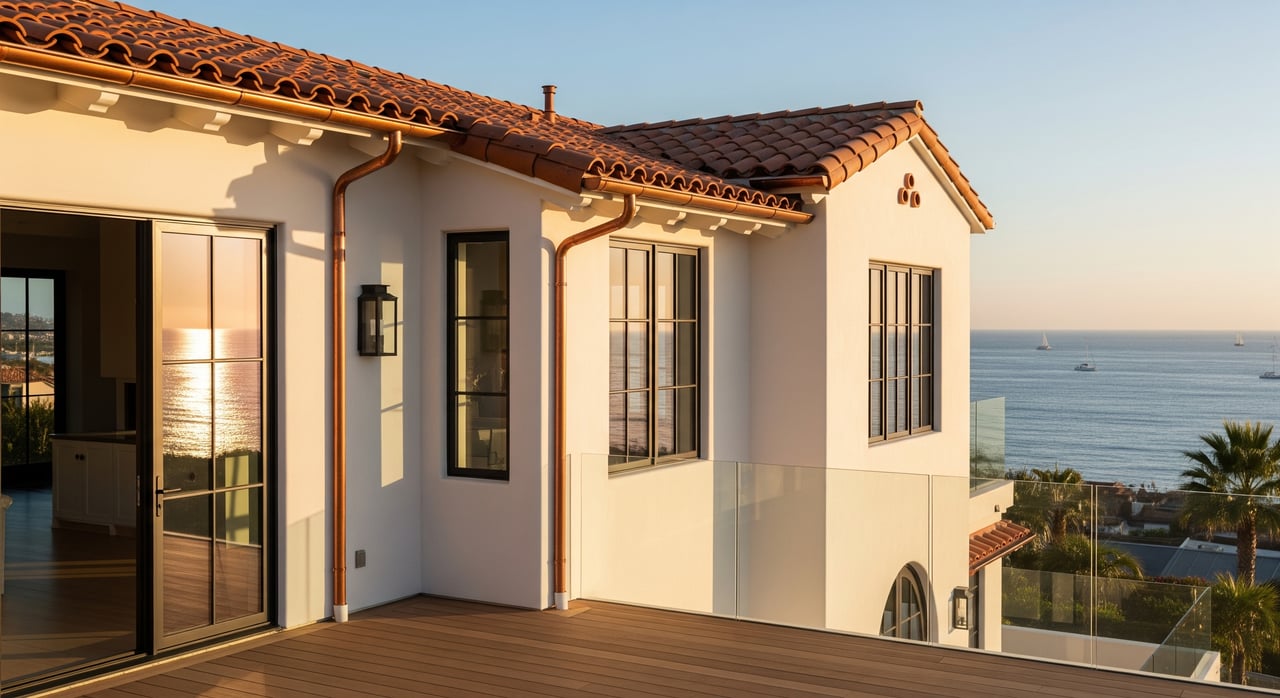
Home Inspection Dana Point Guide for Coastal Homebuyers
December 4, 2025
December 4, 2025
Salt air and ocean views are a dream, but coastal homes work harder against the elements. If you are buying in Dana Point, a smart home inspection helps you spot issues before they become expensive surprises. In this guide, you will learn what inspections cover, which coastal risks matter most, how timelines and costs usually look, and how to use the results to negotiate with confidence. Let’s dive in.
A general home inspection gives you a snapshot of condition across major systems. Inspectors look for visible and material defects, safety hazards, and signs of deferred maintenance. The report helps you plan repair requests, credits, or price adjustments, and decide when to remove contingencies.
Expect coverage across exterior elements, structure and foundation, roof, interior surfaces, mechanical systems, safety devices, and visible signs of pests or wood-destroying organisms. If the inspector sees red flags, they will recommend specialists.
Coastal exposure affects homes in unique ways. Salt-laden air accelerates corrosion on metal parts. Higher humidity and wind-driven rain raise the risk of hidden moisture and wood rot. Near-bluff and waterfront locations add geologic, erosion, flood, or tsunami considerations. Many coastal properties also include pools, spas, decks, and balconies that require added attention.
In short, your inspection needs a coastal lens. That means a closer look at corrosion, moisture intrusion, exterior seals, decks and ledgers, and any bluff-related risks.
Look for rust at railings, deck ledger connections, chimney flashing, door and gate hardware, and HVAC components. Corrosion can hint at deeper deterioration that is not obvious at first glance.
Stucco is common near the coast. Salt spray and wind-driven rain can push moisture behind coatings. If staining or soft spots appear, consider moisture testing or a specialist opinion.
Decks and balcony ledgers are stress points in coastal air. Ask your inspector to probe for dry rot, evaluate joists and rafters, and confirm proper flashing at ledger boards.
Tile, composition, and metal roofs age differently near the ocean. Have the inspector note worn flashing, failed sealant at penetrations, and any signs of leaks.
Exterior units, coils, and condensate lines can pit and corrode faster in salt air. Your inspector should document condition and recommend realistic replacement timelines.
Salt and sand can wear out weatherstripping, rollers, and seals. Failed seals can allow moisture intrusion and reduce energy efficiency.
If the property includes a pool or spa, check pumps, heaters, deck drains, and metal components for corrosion. Saltwater systems can increase corrosion risk.
Termites and fungus-related rot are common in Southern California. Order a licensed structural pest control inspection for a formal WDO report when appropriate.
If the home sits on or near a bluff, plan for a geotechnical review. Ask about bluff setbacks, evidence of sea cliff erosion, and any limits on coastal armoring or seawalls.
Verify whether the home is in a flood or tsunami exposure area. Review risk disclosures carefully and ask your agent about further evaluation if the home is low-lying.
A camera scope can reveal root intrusion, cracks, or collapsed sections. Sewer repairs can be costly, so a scope is often recommended in coastal cities.
Depending on age, older homes may include materials like lead-based paint or asbestos, or older electrical systems. Your general inspector can recommend specialists if needed.
Inspection contingency windows in California commonly run about 7-17 days after an offer is accepted, though exact terms vary by deal. Most buyers schedule the general inspection within 48-72 hours so there is time to order follow-up tests.
A general home inspection typically costs several hundred dollars, depending on size, age, and complexity. Specialist add-ons such as sewer scopes, WDO reports, pool inspections, roof inspections, moisture or mold testing, and geotechnical reviews add to the total. Plan your budget with room for multiple reports if coastal risks are present.
Re-inspections are often arranged after repairs and before you remove contingencies or before closing.
Choose inspectors with strong credentials and coastal experience. Look for recognized certifications, clear photo reports, and proof of professional liability or E&O insurance. For WDO, use a licensed structural pest control inspector. For geotechnical, structural, roofing, electrical, plumbing, HVAC, and pool items, hire the appropriate licensed contractors or engineers.
Review seller disclosures as early as possible. Key items include the Natural Hazard Disclosure, the Transfer Disclosure Statement, and any available permit and repair records. For condos or communities with shared coastal assets, read HOA documents, including CC&Rs, reserve studies, insurance, and maintenance responsibilities. Verify building permits and approvals for recent additions, decks, structural changes, and pool work.
Your options usually include seller-completed repairs by licensed contractors, a seller credit or price reduction, an escrow holdback for post-close work, or cancellation if defects are unacceptable and the parties cannot agree.
A smart strategy keeps your leverage. Prioritize safety and structural items first. Get written contractor estimates to support requests. When risk indicators exist, order multiple specialists at the same time to stay on schedule. Preserve your right to re-inspection and request receipts, permits, and post-repair photos. In hotter markets, consider credits for non-critical items and hold firm on health, safety, and major defects.
If you want a local team to coordinate the right specialists, manage deadlines, and negotiate the clearest path to closing, connect with the Danielle Hesley Real Estate Group. Our hands-on, coast-savvy approach helps you buy with confidence in Dana Point and across South Orange County.
We bring together a mix of integrity, imagination, and an inexhaustible work ethic, striving to make each buying and selling experience the best possible. Get assistance in determining current property value, crafting a competitive offer, writing and negotiating a contract, and much more. Contact us today.