Your San Clemente Guide to Second Homes & Investments
April 2, 2026
April 2, 2026
Wondering if San Clemente is the right place to buy a second home or investment property? You are not alone. Many buyers are drawn to this stretch of South Orange County for its coastal lifestyle, but smart decisions here depend on more than just loving the ocean views. If you are weighing personal use, rental potential, and long-term value, this guide will help you understand what matters most before you buy. Let’s dive in.
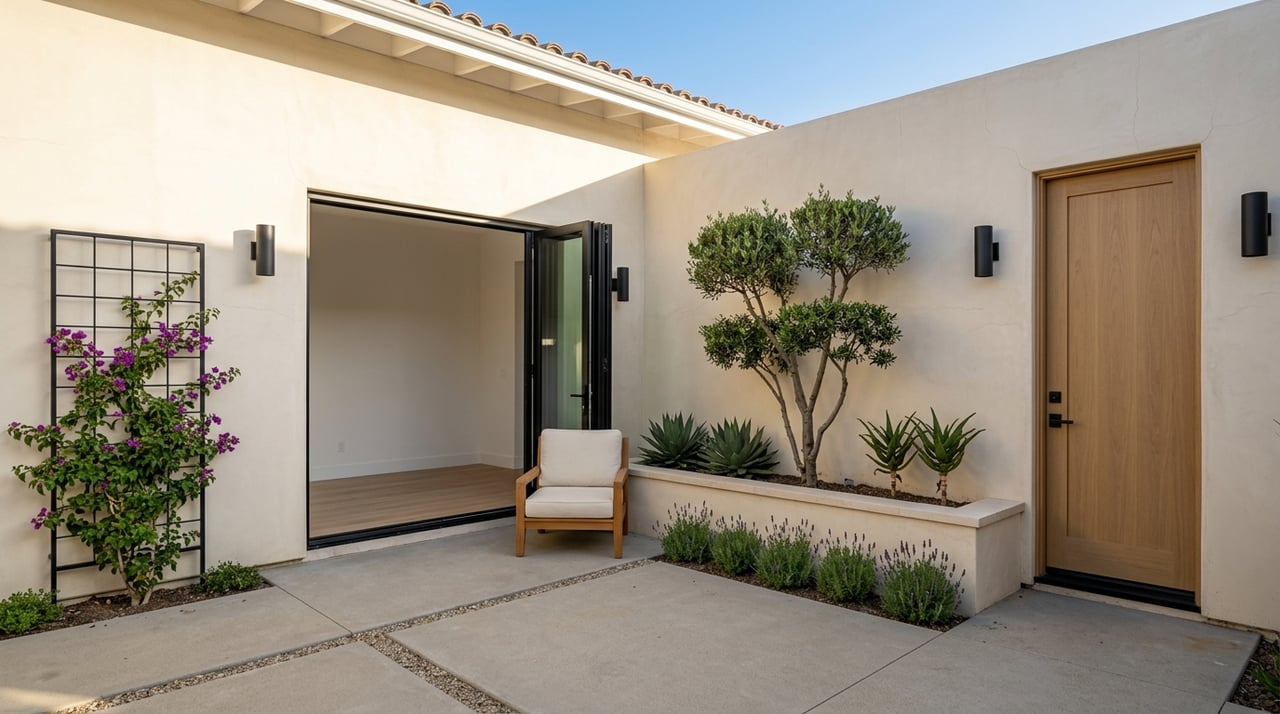
San Clemente has a strong lifestyle appeal that goes well beyond a typical beach town. The city describes itself as the Spanish Village by the Sea and reports about 66,245 residents, roughly 300 days of sunshine each year, and an average annual temperature of 73 degrees. According to the City of San Clemente, beaches, surf culture, trails, golf, and Spanish-influenced architecture all shape the local experience.
That matters if you are buying a second home. In many cases, second-home buyers want a property they will enjoy often, not just an asset on paper. San Clemente offers a mix of lifestyle use and long-term ownership appeal, which can make the higher entry price easier to justify for buyers focused on both enjoyment and value.
The city also links clean beaches and ocean water quality to property values, quality of life, and the local business economy. That helps explain why demand is often supported by several factors at once instead of one single driver. For buyers, that can make the market feel more durable over time.
If you are buying for investment, San Clemente offers a different kind of appeal. The city combines visitor demand with everyday livability, which can support both owner demand and rental interest. That balance is important in a coastal market where seasonal interest alone is not always enough.
San Clemente also offers meaningful local amenities. The city’s recreation system includes 324 acres of recreational space, 23 parks, 25.9 miles of hiking trails, and 2 miles of public beaches. The 2.3-mile Beach Trail connects North Beach to Calafia Beach and passes local landmarks like the Pier and T-Street.
Mobility adds another layer of appeal. The San Clemente train station connects riders to Metrolink, OCTA, and Amtrak service, and the city also operates a free trolley. For some buyers and renters, that can increase convenience and widen the property’s appeal.
One of the biggest mistakes buyers make is treating San Clemente like a single, uniform market. It is not. The city’s General Plan describes a collection of neighborhoods and communities with different uses, development types, and architectural character, including Forster Ranch, Marblehead Coastal, Marblehead Inland, Pier Bowl, Rancho San Clemente, Talega, and West Pico Corridor.
That neighborhood structure matters because a condo near the coast, a view home in the hills, and a detached home in an inland tract may perform very differently. Purchase price, insurance, maintenance, rental demand, and resale timing can all vary by location and property type. If you are buying with an investment lens, micro-market differences are just as important as citywide trends.
Current neighborhood pricing snapshots also show how much range exists within the city. Recent market pages cited in the research place Talega around $1.95 million, Forster Ranch around $2.0 million, Rancho San Clemente around $1.28 million, and Marblehead Inland around $1.65 million. That spread is a reminder that your budget and goals should guide where you focus.
San Clemente’s housing stock gives buyers several paths, depending on how you plan to use the property. According to the SCAG local profile, 57.1% of the housing stock in 2018 was single-family detached, 9.8% was single-family attached, 15.7% was 2-to-4-unit multifamily, 15.1% was 5+ unit multifamily, and 2.3% was mobile homes.
For a second-home buyer, detached homes may offer more privacy and flexibility, but they often come with higher acquisition and maintenance costs. Condos and townhomes can be more approachable from a price standpoint, though HOA rules may affect how you use or rent the property. Investors should also remember that not every property type fits every rental strategy.
The same SCAG profile reported a 65.7% homeownership rate. That ownership-heavy mix can be a sign of long-term neighborhood stability, but it can also mean fewer available opportunities in the most sought-after pockets. In a market like San Clemente, inventory fit often matters more than simply waiting for the perfect headline number.
San Clemente sits firmly in the premium coastal tier. Zillow’s February 28, 2026 snapshot put the typical home value in San Clemente at $1,686,268, down 0.7% year over year, with 128 homes for sale and homes going pending in about 19 days.
That data suggests two things at once. First, the market remains expensive by almost any standard. Second, buyers may still find opportunities even in a premium market, especially when year-over-year growth has cooled slightly.
For longer context, SCAG reported a median existing home sales price of $970,000 in 2018. That gap between 2018 and 2026 is significant. It shows how much San Clemente values have appreciated over time, which can support long-term wealth building, but also raises the importance of buying with a realistic basis and hold strategy.
Recent rental context also reflects the premium nature of the market. Zillow reported an average rent of $3,260, compared with a national average of $1,895. That does not guarantee cash flow, but it does help explain why investors continue to study the area despite high purchase prices.
Before you start touring properties, get clear on your main goal. In San Clemente, the best property for personal enjoyment is not always the best property for rental performance. A clear strategy can save you time and help you avoid buying the wrong kind of asset.
Here is a simple way to think about it:
| Goal | What usually matters most |
|---|---|
| Second home | Lifestyle fit, ease of use, lock-and-leave convenience, proximity to beaches or recreation |
| Long-term investment | Carrying costs, rental demand, resale flexibility, neighborhood-specific price trends |
| Hybrid use | Personal-use schedule, rental restrictions, tax treatment, HOA and zoning compatibility |
If you plan to use the property part of the year and rent it the rest, the details become even more important. Your financing, tax treatment, and rental strategy may all depend on how often you occupy the home yourself. That is why early planning matters.
In a high-basis market, carrying costs can make or break the numbers. According to the Orange County Assessor, property taxes in Orange County average about 1.1% of taxable value. Proposition 13 generally limits annual increases in taxable value, but a change of ownership or new construction can trigger reassessment.
You should also look beyond base property taxes. The assessor notes that some parcels may be in a community facilities district or assessment district, which can create special taxes or assessments to fund public improvements. Some properties may also have PACE assessments that generally stay with the property when it is sold.
For investors and second-home buyers alike, the all-in cost matters more than the list price alone. Your monthly ownership picture may include:
This is one reason two homes with similar prices can perform very differently. A strong acquisition in San Clemente is often the one with the clearest path to manageable long-term ownership costs.
If your plan includes vacation rentals, you need to verify the rules before you buy. San Clemente requires a permit and a short-term lodging unit operating license for every short-term lodging unit other than a hotel. The city defines short-term as stays of 29 or fewer consecutive calendar days.
Just as important, short-term lodging use is only allowed in select areas. The city’s planning guide says that, in general, single-family homes in low-density residential zones are not permitted to operate as short-term lodging units. That means you cannot assume a property will work for a vacation-rental strategy simply because it is in a popular coastal location.
Vacation rentals are also subject to a 10% transient occupancy tax, which applies to rent, cleaning fees, and key charges. Depending on the property, the application process may require a site plan, parking documentation, HOA approval if applicable, a seasonal fee schedule, and neighborhood notification.
For buyers, the takeaway is simple: never underwrite short-term rental income until zoning, licensing, HOA rules, and parking requirements are confirmed. In San Clemente, that due diligence is essential.
Some San Clemente properties may come with extra design or permitting considerations. The city is a Certified Local Government with a Preserve America designation, and its planning rules note that historic properties and specific-plan areas may be subject to additional review.
That does not mean you should avoid these homes. In fact, architectural character can be part of what makes San Clemente so appealing. It does mean, however, that buyers planning remodels or value-add upgrades should understand review requirements before they close.
Whether you are buying a personal retreat, a rental property, or a mix of both, these are smart questions to ask early:
These questions help you move past the dream phase and into a practical decision. In a market like San Clemente, discipline is just as important as enthusiasm.
San Clemente can be an excellent place to buy a second home or investment property, but it works best when your goals match the realities of the market. You are buying into a premium coastal city with strong lifestyle appeal, meaningful long-term demand drivers, and neighborhood-by-neighborhood differences that matter. The opportunity can be compelling, but so are the costs, rules, and need for careful planning.
If you want help narrowing the right neighborhood, property type, and ownership strategy, working with a local advisor can make the process far more efficient. The Danielle Hesley Real Estate Group offers hands-on guidance for second-home and investment buyers across South Orange County, including San Clemente, with the local insight needed to evaluate lifestyle fit, resale potential, and property-specific risks.
We bring together a mix of integrity, imagination, and an inexhaustible work ethic, striving to make each buying and selling experience the best possible. Get assistance in determining current property value, crafting a competitive offer, writing and negotiating a contract, and much more. Contact us today.